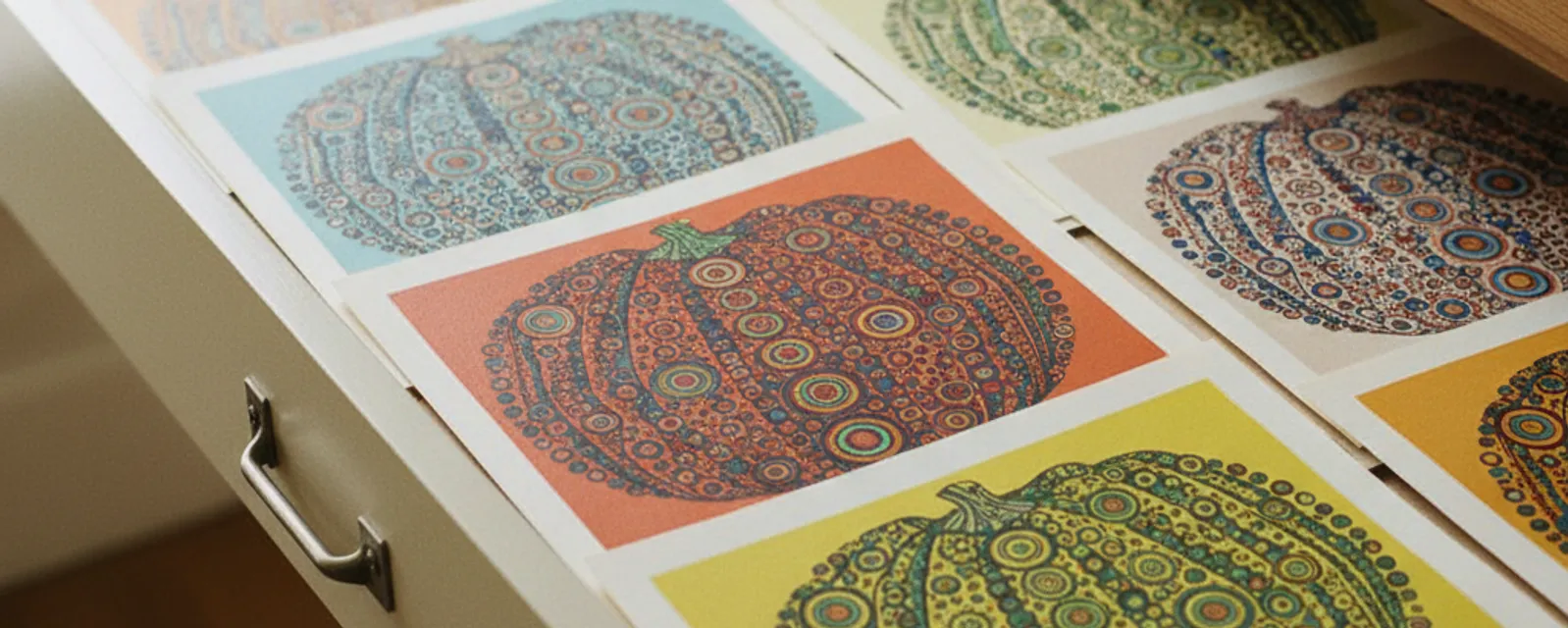
Yayoi Kusama is one of the most recognisable artists of the twentieth and twenty-first centuries. Her obsessive, polka-dotted universe has captivated collectors worldwide, and her limited edition prints represent one of the most accessible entry points into collecting work by a living master. But the Kusama print market is nuanced, and understanding what drives value is essential before committing five or six figures to a purchase.
Why Kusama Prints Matter
Born in Matsumoto, Japan in 1929, Kusama has been creating art for over seven decades. Her prints span her entire career, from early abstract net compositions of the 1960s through to the iconic pumpkin and infinity net motifs that define her current market. Unlike paintings, which can command eight-figure prices, prints offer collectors the opportunity to own authenticated Kusama works at prices ranging from around 5,000 GBP for smaller monochromatic editions to upwards of 150,000 GBP for the most sought-after pumpkin screenprints.
What makes Kusama prints particularly compelling as collectibles is the artist's enduring cultural relevance. Her immersive infinity rooms have drawn record-breaking crowds at museums globally, and her collaborations with Louis Vuitton in 2023 brought her polka dots to the world's most visible luxury brand. This cross-cultural reach sustains demand across both the primary and secondary markets.
Key Print Series and Their Market Performance
Pumpkin Screenprints
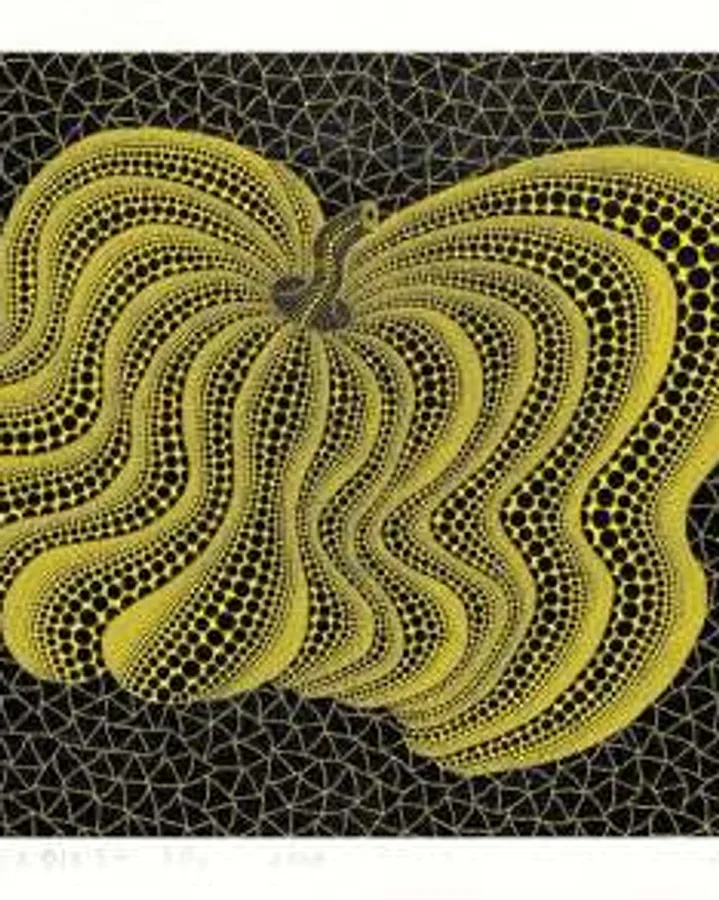
The pumpkin is Kusama's most iconic motif and the cornerstone of her print market. Pumpkin screenprints from the 1990s and 2000s, typically produced in editions of 100 to 120, are the most actively traded Kusama prints. Yellow pumpkin editions from this period regularly achieve 15,000 to 45,000 GBP at auction, with particularly fine examples or rare colour variants pushing towards 60,000 GBP. The Pumpkin (YY) series, referencing the distinctive yellow and black colour combination, is among the most recognisable and consistently valued.
At Hanga House, we currently hold several Kusama pumpkin editions ranging from the scarce Pumpkin 2000 series to later iterations. These works represent strong entry points for collectors looking to acquire museum-quality Kusama prints with documented provenance.
Infinity Net Prints
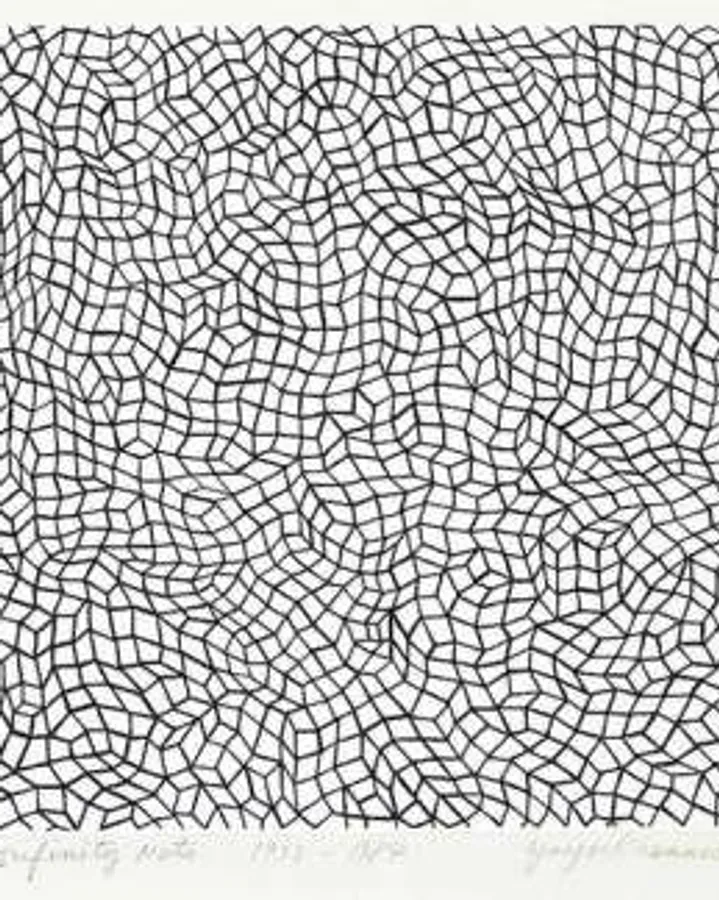
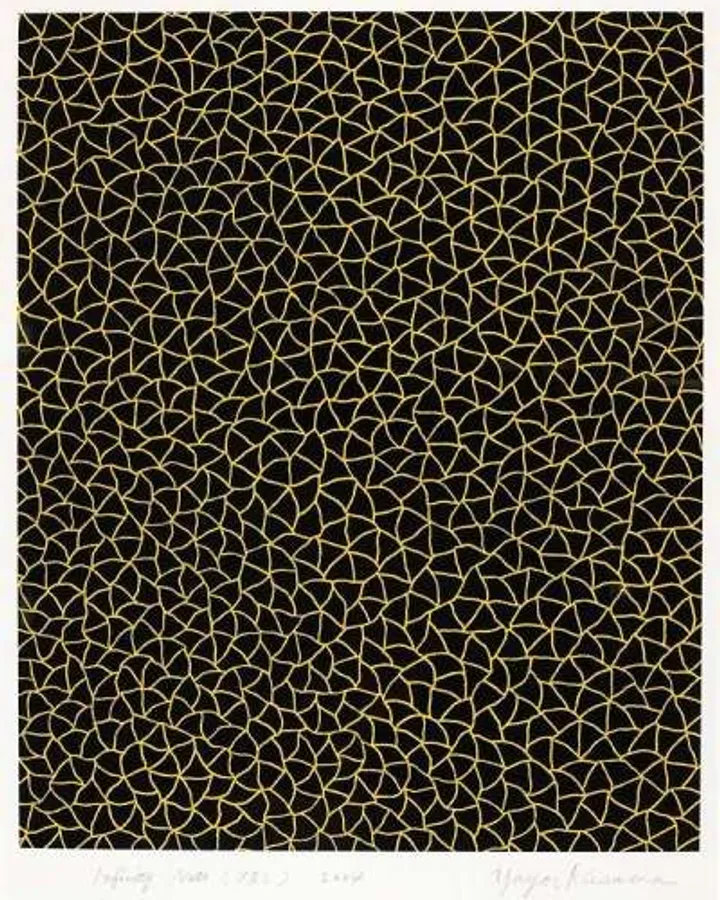
The infinity net motif predates the pumpkins and represents Kusama's earliest and most art-historically significant visual language. Infinity net prints from the 1980s and 1990s are highly valued by serious collectors, with prices typically ranging from 10,000 to 30,000 GBP depending on size, colour, and edition. The monochromatic net prints are particularly prized by collectors who appreciate Kusama's connection to abstract expressionism and minimalism.
Flower and Botanical Prints
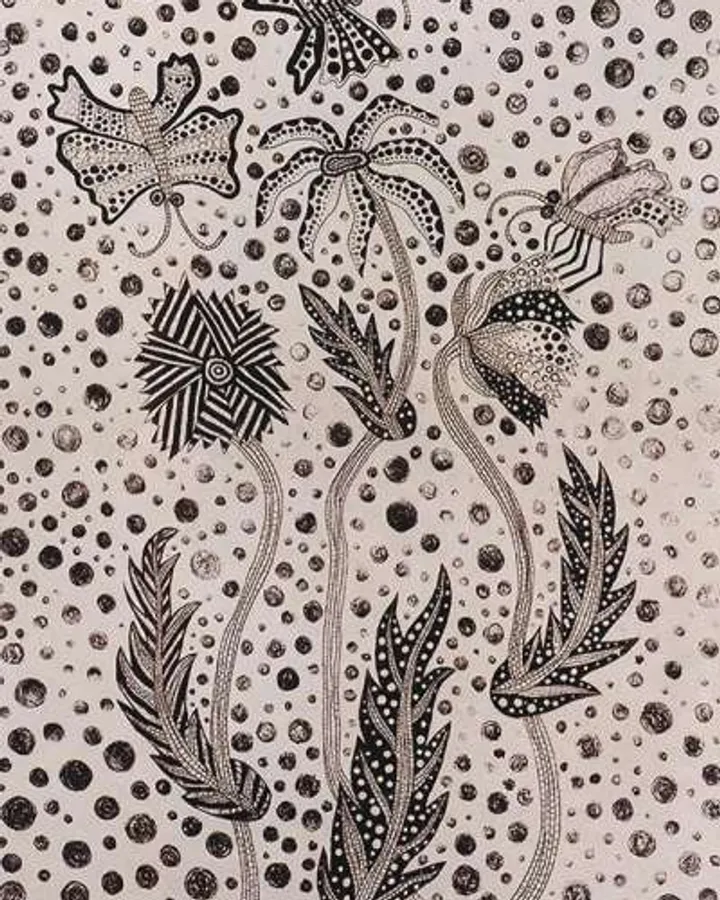
Kusama's flower prints, including the Flower and Butterfly series and the Flower Basket editions from 1993, are among her most decorative and accessible works. Prices for these editions typically range from 15,000 to 30,000 GBP. The Flowers FW (Kusama 177) and Flower Basket (Kusama 187) are particularly notable examples that combine botanical imagery with Kusama's characteristic dot patterning.
Amour Pour Toujours Portfolio
The Amour Pour Toujours portfolio, comprising ten screenprints produced in an edition of 100, is one of the most significant Kusama print projects. A complete set achieved 268,137 GBP at Phillips New York in 2021, representing strong demand for comprehensive Kusama print holdings. Individual sheets from this portfolio trade between 15,000 and 35,000 GBP depending on the specific image.
What Drives Kusama Print Values
Several factors determine the value of a Kusama print, and understanding these is critical for making informed purchasing decisions.
Edition size is the primary driver of scarcity. Most Kusama screenprints are produced in editions of 100 to 120, with some portfolios limited to smaller runs. Smaller editions command premium prices. The Mt. Fuji series, for example, has achieved over 200,000 GBP at auction in Tokyo, partly due to its cultural significance and limited availability.
Condition is paramount. Kusama prints are typically produced on high-quality Japanese paper, which is delicate and susceptible to foxing, light damage, and handling marks. Prints in pristine condition with original margins and no restoration command the highest prices. Even minor condition issues can reduce value by 20 to 40 percent.
Provenance matters significantly in the Kusama market. Works with clear ownership history traced back to the original publisher or a reputable gallery carry a confidence premium. The principal catalogue raisonne for Kusama prints is published by Abe Publishing in Tokyo, and reference numbers from this catalogue (e.g., Kusama 29, Kusama 177) are the standard identifiers used by auction houses and dealers worldwide.
Colour and motif determine desirability. Yellow pumpkins are the most sought-after, followed by red and multicolour variants. Infinity nets in blue and silver command higher prices than black-and-white versions. Prints featuring Kusama's face or self-portrait elements are rare and trade at significant premiums.
Authentication: What to Look For
The Kusama print market has attracted forgeries, particularly for the most commercially popular pumpkin motifs. Authentic Kusama prints are typically printed by master printers in Japan, with Tokuzo Okabe being one of the most frequently credited. Genuine editions carry pencil signatures in the lower margin, edition numbers, and often publisher blind stamps.
At Hanga House, every Kusama print passes through our seven-step authentication process. We verify the certificate of authenticity against records held by Abe Publishing, examine the paper stock and printing technique under controlled lighting, check the edition number against the catalogue raisonne, and cross-reference provenance documentation. Prints that fail any step are declined.
Buyers should be wary of prints offered without Abe Publishing catalogue numbers, those with suspiciously low prices relative to the market, or works from undocumented sources. A legitimate Kusama print should always come with a certificate of authenticity and traceable provenance.
Current Market Outlook
The Kusama print market remains robust heading into 2026. Several factors support continued price stability and growth. First, Kusama's institutional visibility continues to expand, with major retrospectives and infinity room installations drawing millions of visitors annually. Second, the supply of authenticated prints from the 1980s and 1990s is finite and diminishing as works enter permanent collections. Third, the artist's age, now 97, adds a time-sensitive element that sophisticated collectors understand.
At the same time, newer prints produced in larger editions have introduced more affordable entry points without diluting the market for vintage works. This tiered market structure is healthy and sustainable, allowing new collectors to enter while preserving value at the top end.
Buying Kusama Prints at Hanga House
Our current Kusama collection includes 34 authenticated works spanning pumpkin screenprints, infinity net editions, and botanical prints. Prices range from 600 GBP for scarves and decorative items to nearly 50,000 GBP for rare early editions. Every work comes with a full condition report, verified provenance documentation, and our seven-step authentication guarantee.
For collectors considering their first Kusama purchase, we recommend starting with a pumpkin screenprint in the 10,000 to 25,000 GBP range from an edition of 100 or 120. These represent the core of the Kusama print market, offer strong liquidity for future resale, and are the works most likely to appreciate as the finite supply continues to tighten.
To enquire about any Kusama print in our collection, submit an enquiry through the artwork page and we will send a full condition report within 24 hours.