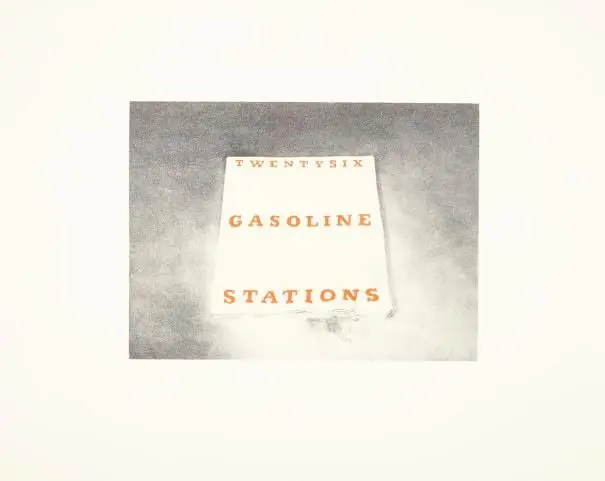
Twentysix Gasoline Stations, Book Cover, 1970
Edition of 30
13 prints in the catalogue
Ed Ruscha (born 1937) is an American artist who has made screenprints, lithographs and photographic editions. He made prints at Tamarind, Gemini G.E.L. and Cirrus from 1967. A catalogue raisonné of his editions, edited by Walker Art Center, appeared in 1999. We list 13 prints in our catalogue.
Twentysix Gasoline Stations, Book Cover, 1970
Edition of 30
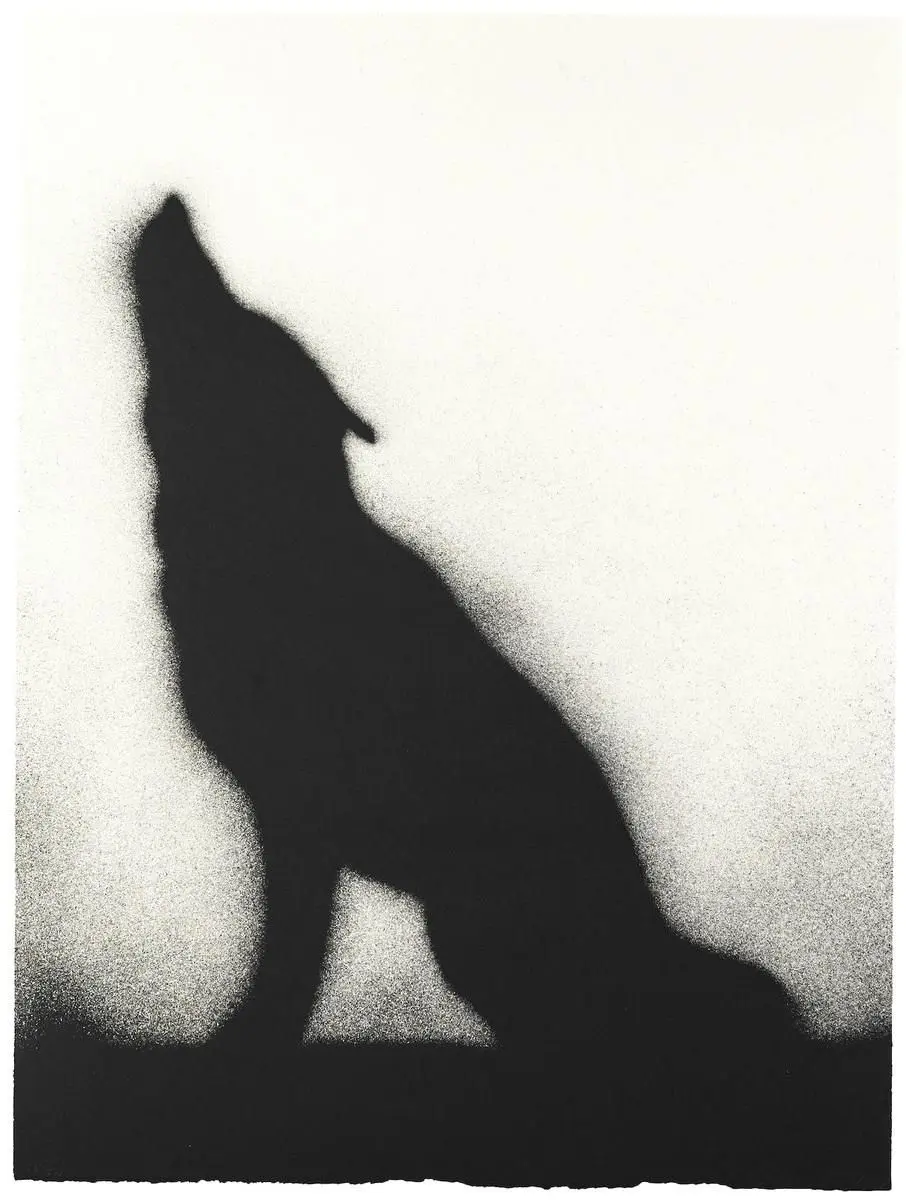
Coyote, 1989
Edition of 50
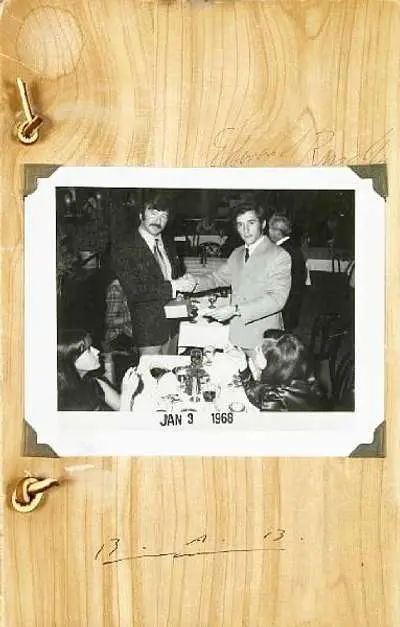
Business Cards, 1968
Edition of 1,000
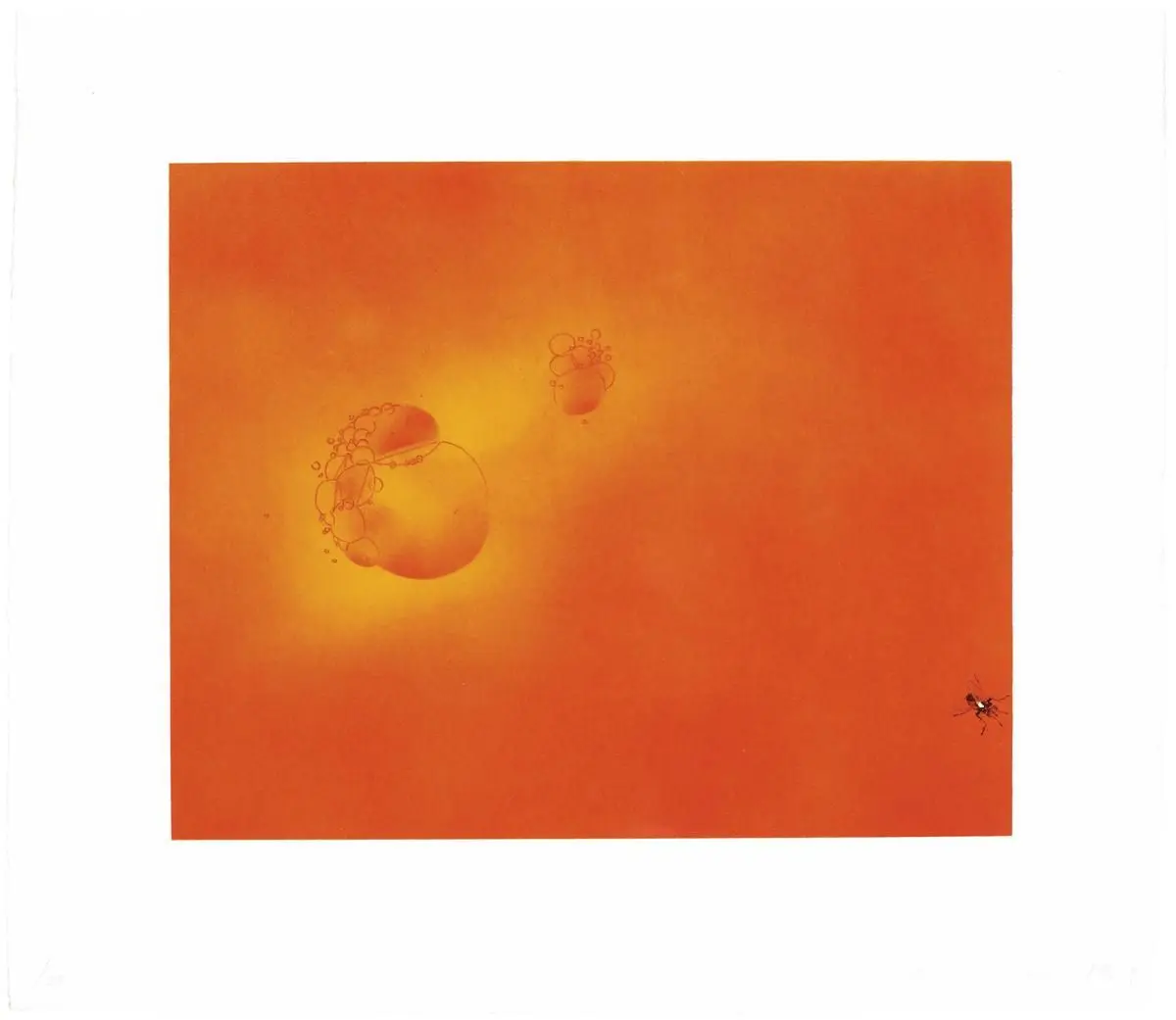
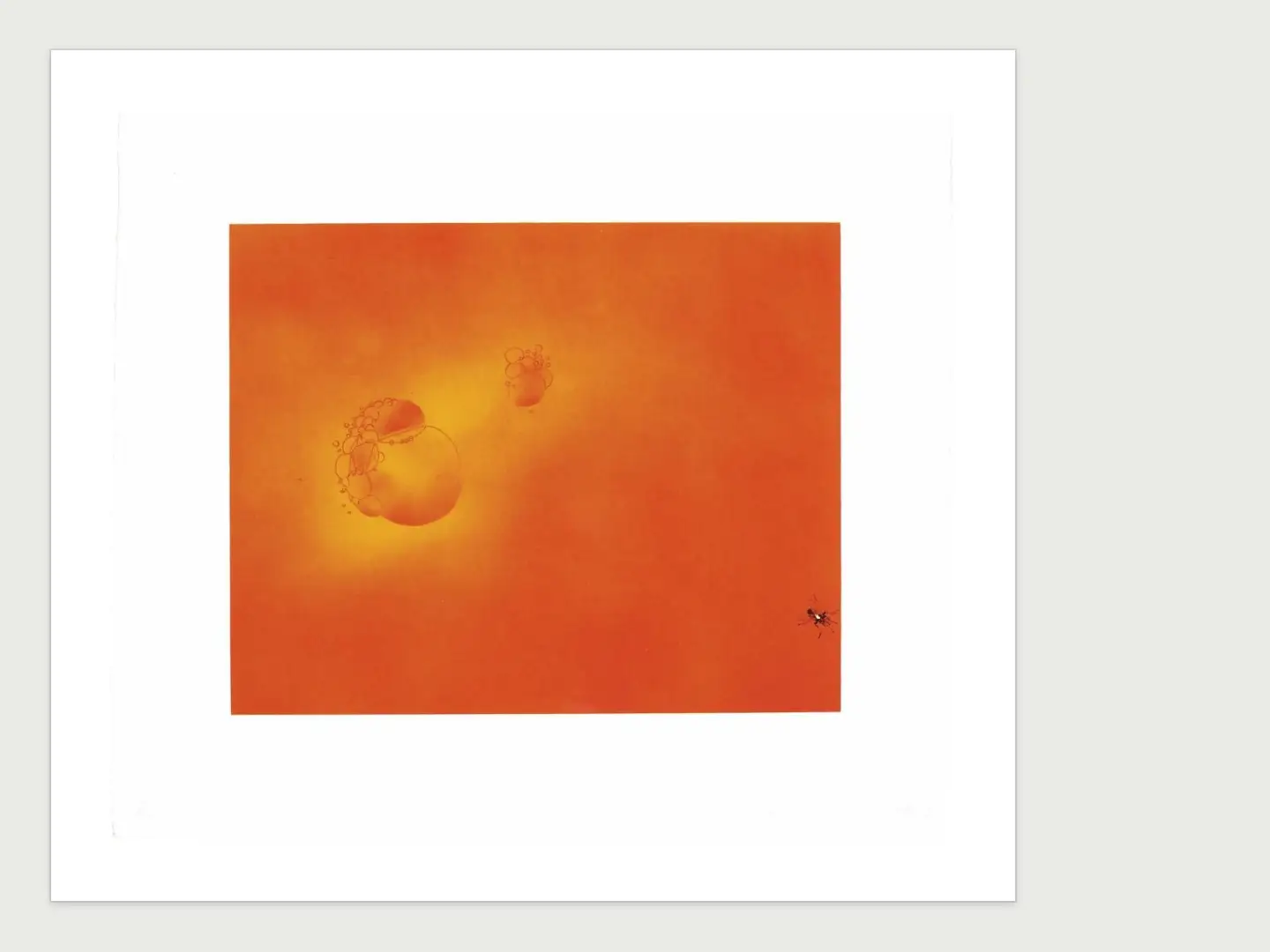
Boiling Blood, Fly, 1969
Edition of 20
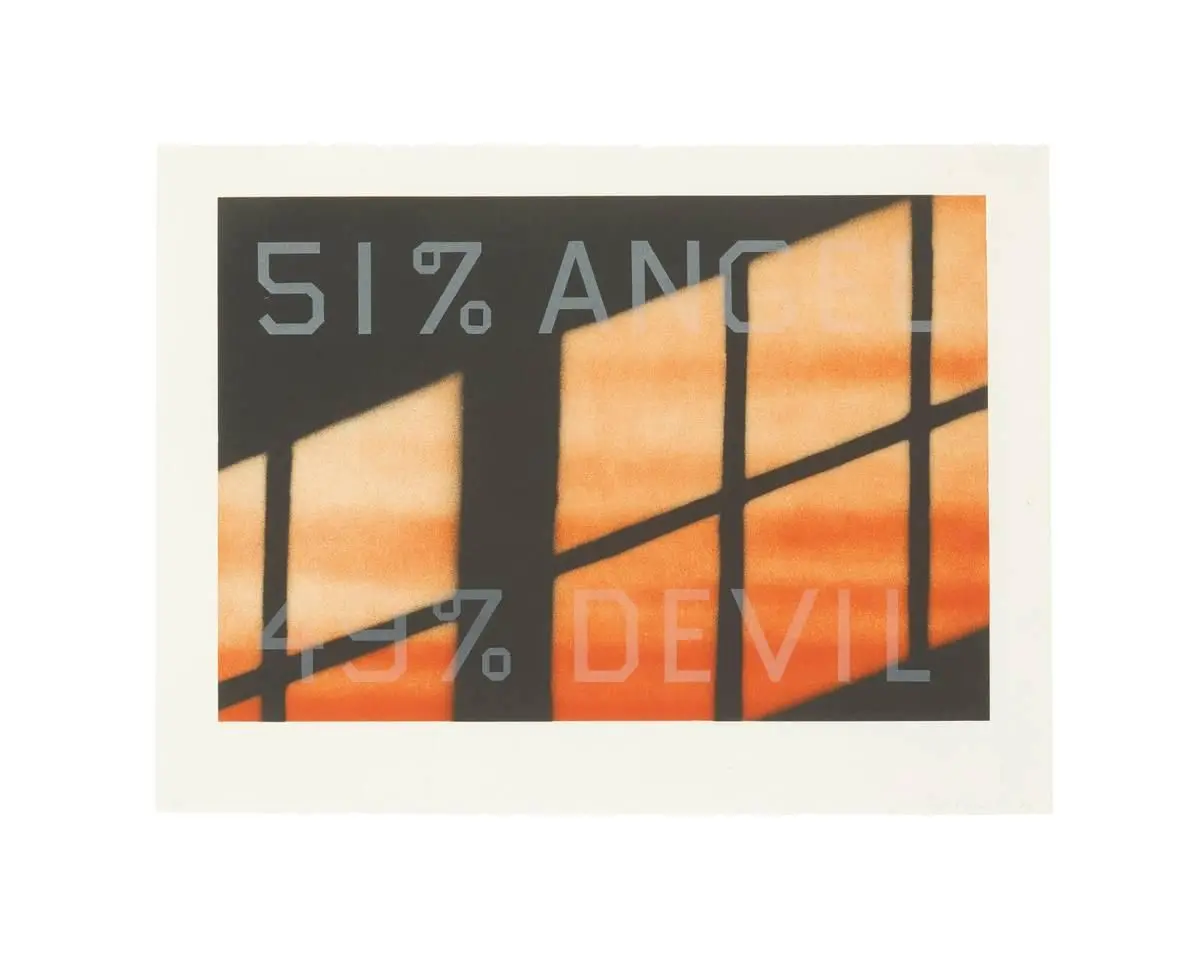
51% Angel 49% Devil, 1984
Edition of 25
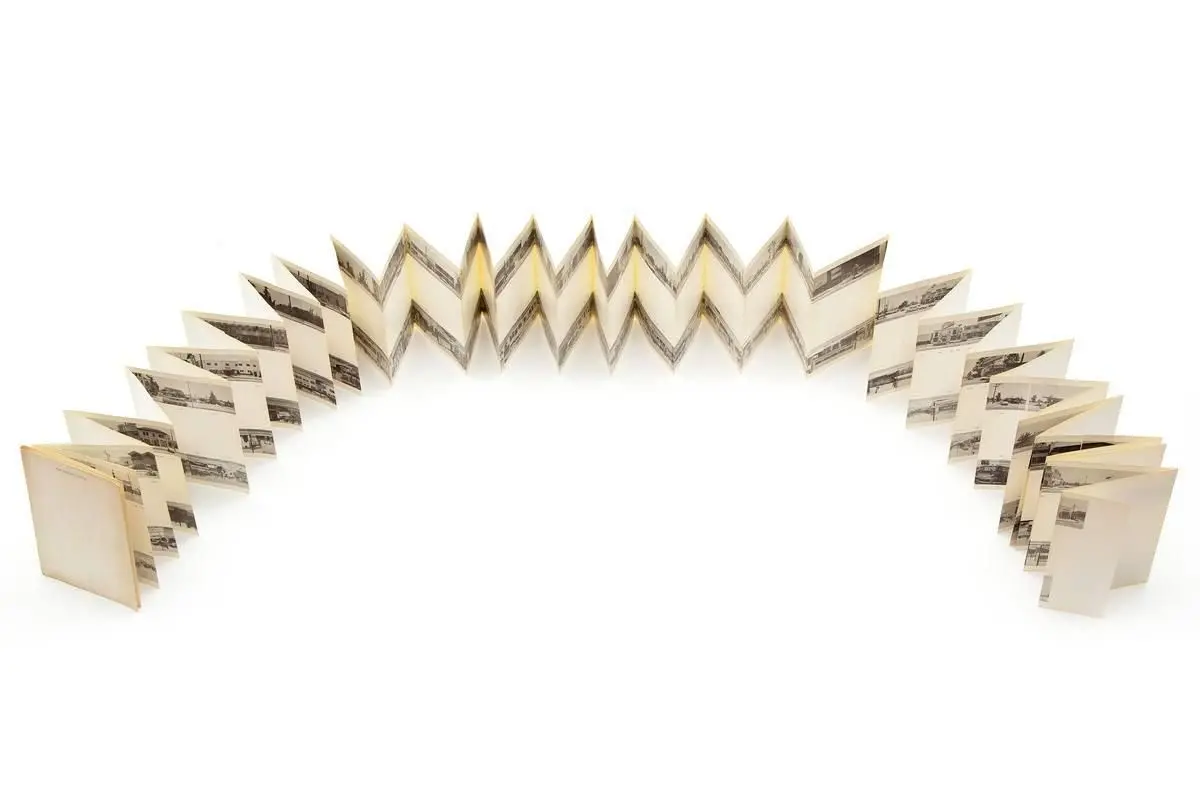
Every Building on the Sunset Strip, 1966
Edition of 1,000
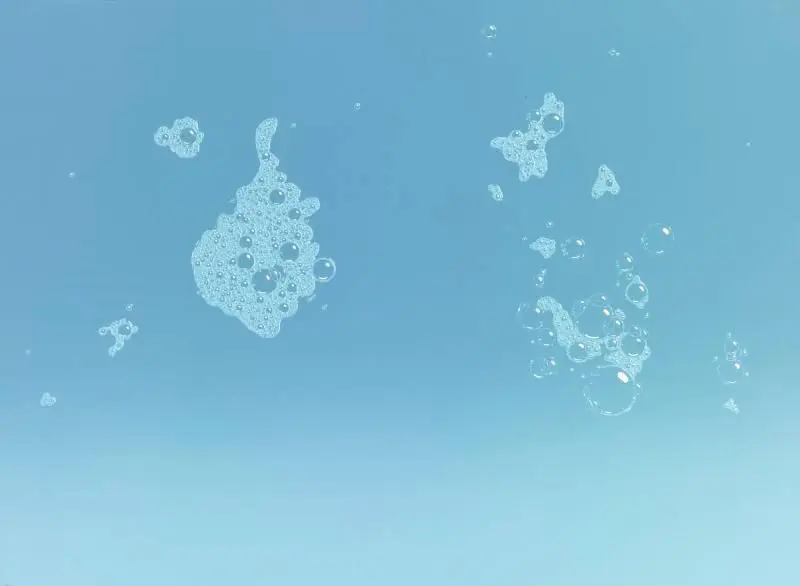
Blue Suds, 1971
Edition of 100
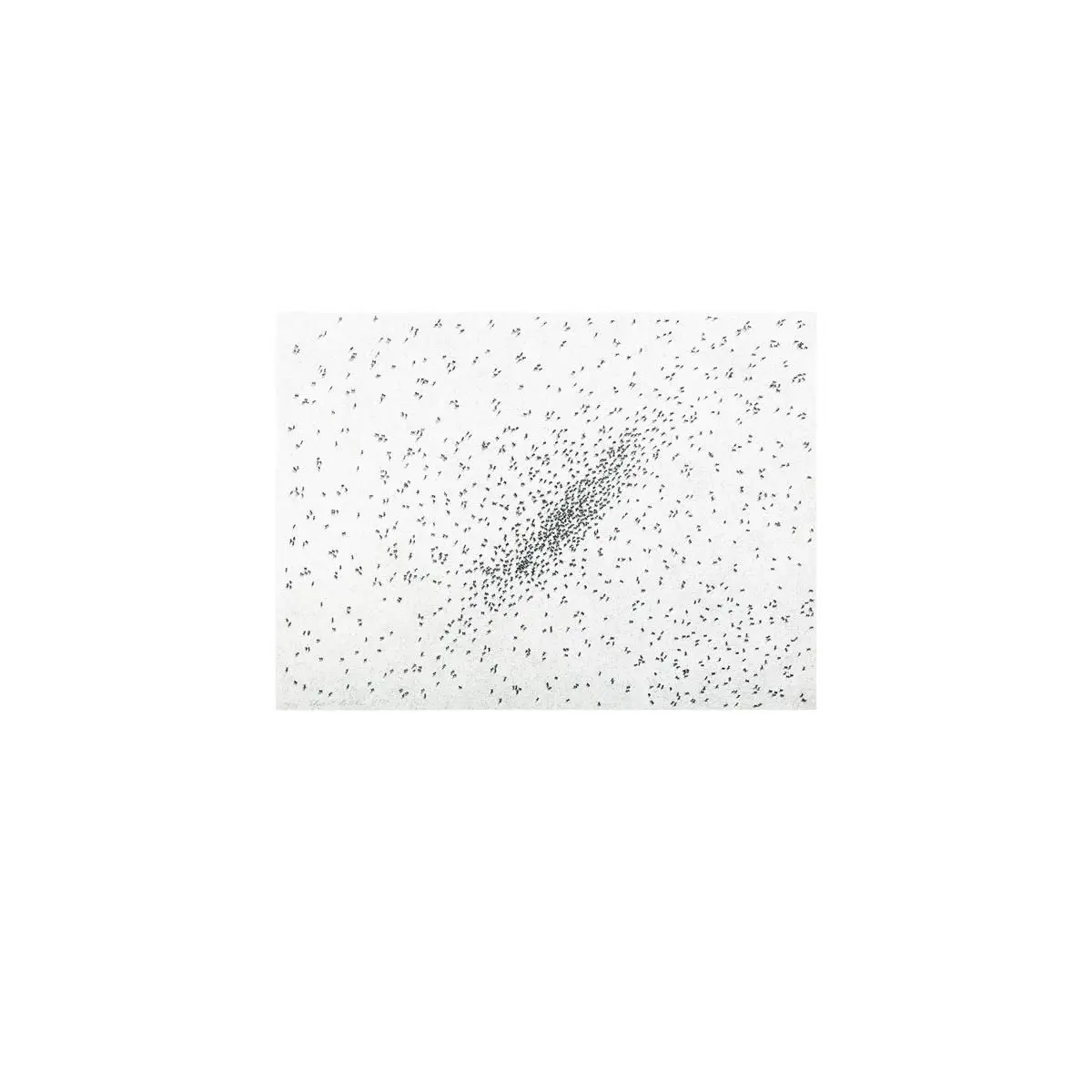
Insect Slant (Ants), 1973
Edition of 100
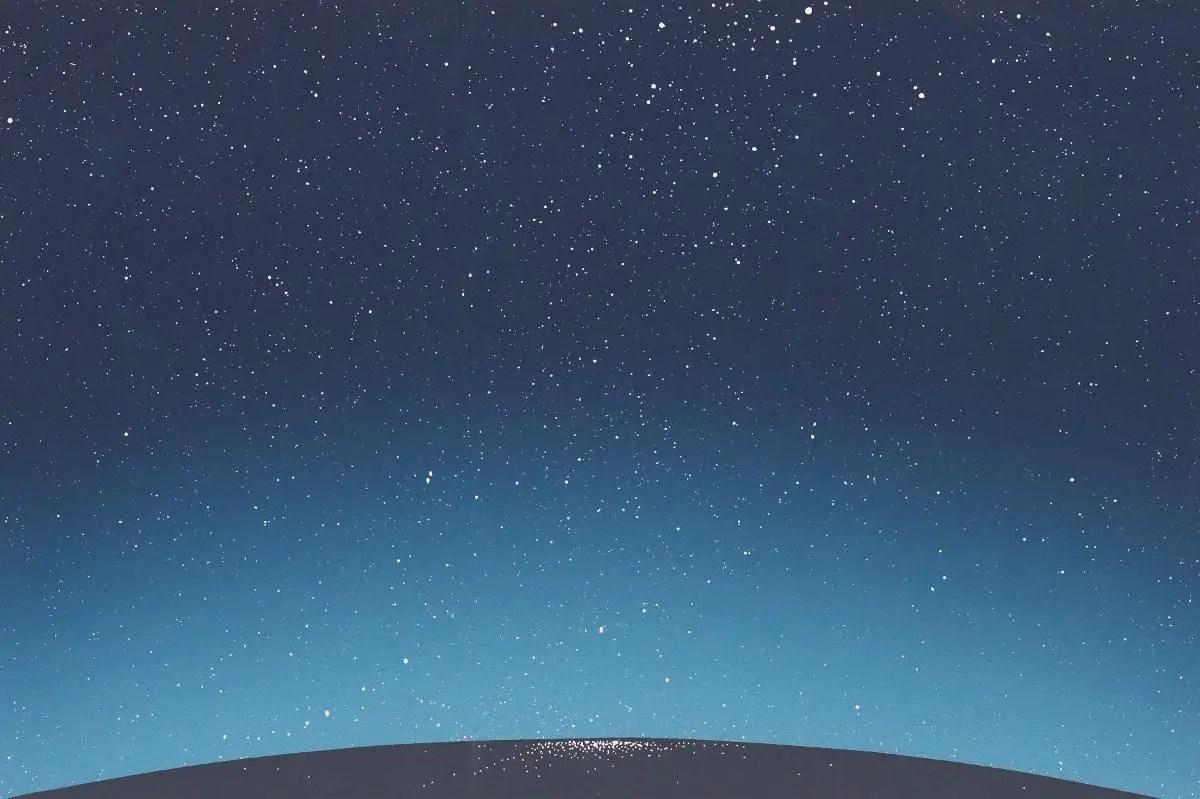
Any Town in the U.S.A, 1981
Edition of 150
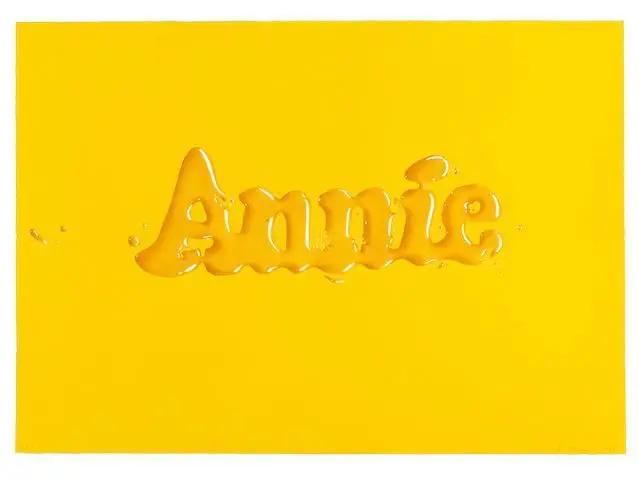
Annie, 1969
Edition of 20
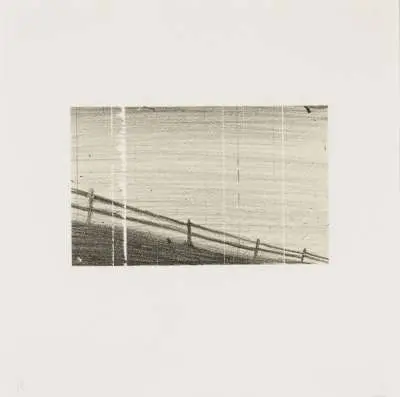
Fence, 1992
Edition of 28
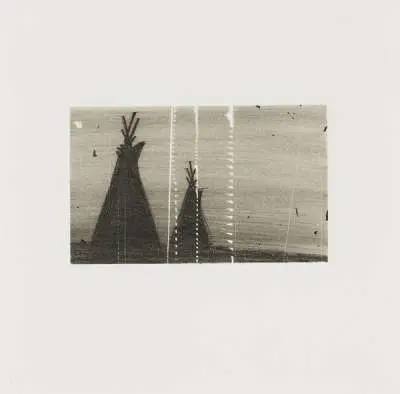
Teepees, 1992
Edition of 28
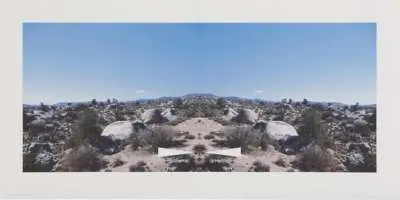
Bow-Tie Palm Springs, 2003
Edition of 35
An early screenprint, Standard Station (1966), began after the collector Audrey Sabol suggested a print based on his 1963 painting. According to Karen Breuer of the Fine Arts Museums of San Francisco, he made prints at Tamarind, Gemini G.E.L. and Cirrus beginning in 1967 and into the mid-1970s. Gemini G.E.L. lists his Tropical Fish screenprints, dated 1974 to 1975, in editions of 53 to 58.
The Fine Arts Museums of San Francisco announced the acquisition of his graphic archive in October 2000: 325 editioned prints and about 800 working proofs. In December 2015 Tate reported 111 prints by him in its collection, and said most of its Ruscha holdings are part of ARTIST ROOMS.
A catalogue raisonné of his editions is Edward Ruscha: Editions 1959-1999 (edited by Walker Art Center; Hatje Cantz, 1999), with texts by Siri Engberg and Clive Phillpot. A three-volume Catalogue Raisonné of the Books, Prints, and Photographic Editions, 1960-2022, from Steidl and Gagosian, has a volume on prints and photographic editions.
Our catalogue includes Coyote, Blue Suds and Insect Slant (Ants).
Introduction reviewed by Eric Lee, 5 November 2026. Prices and price references on this page were not part of that review.
Before you buy, we check the condition, provenance and price of the copy itself.
Third-party market references for the 13 Ed Ruscha prints in our catalogue range from £1,000 to £50,000 (MyArtBroker Market Value Indicator, checked 23 August 2026). Hanga House doesn’t set these prices, and they aren’t a valuation of any particular copy.
Six Ed Ruscha prints from the catalogue, each shown whole. The caption names the print on screen and links to its page.
Where a range has been published, it appears here so you can compare Ed Ruscha prints.
Answers that list sources were reviewed by Eric Lee, 5 November 2026.
Third-party market references for the 13 Ed Ruscha prints in our catalogue range from £1,000 to £50,000 (MyArtBroker Market Value Indicator, checked 23 August 2026). Hanga House doesn’t set these prices, and they aren’t a valuation of any particular copy.
Yes, there are two. Edward Ruscha: Editions 1959-1999 was edited by Walker Art Center and published in 1999, with texts by Siri Engberg and Clive Phillpot. Its first volume catalogues his editioned print work. A three-volume Catalogue Raisonné of the Books, Prints, and Photographic Editions, 1960-2022, from Steidl and Gagosian, has a volume titled Prints and Photographic Editions. Sources: Hatje Cantz: Edward Ruscha: Editions 1959-1999; Steidl: Catalogue Raisonné 1960-2022.
Several workshops and publishers. According to Karen Breuer of the Fine Arts Museums of San Francisco, he made prints at Tamarind, Gemini G.E.L. and Cirrus beginning in 1967 and into the mid-1970s. Gemini G.E.L. lists Ed Ruscha editions on its website. Cirrus Gallery says he printed Hollywood (1968) himself in his studio. Sources: Karen Breuer, Acquisition of an Archive: The Graphic Works of Ed Ruscha; Gemini G.E.L.: Ed Ruscha; Cirrus Gallery: Ed Ruscha at Cirrus Editions.
He made screenprints and lithographs. Standard Station (1966) is an early screenprint. The 1970 series News, Mews, Brews, Stews & Dues used foodstuffs such as cherry pie filling. For soft-edged 1980s lithographs such as Coyote, he airbrushed automotive lacquer directly onto the plates. He also made photographic editions. Sources: Karen Breuer, Acquisition of an Archive: The Graphic Works of Ed Ruscha; Gemini G.E.L.: Ed Ruscha; Steidl: Catalogue Raisonné 1960-2022.
Tate reported 111 prints by him in its collection in December 2015, and said most of its Ruscha holdings are part of ARTIST ROOMS. The release also says he pledged to give Tate a copy of each new print he makes. The Fine Arts Museums of San Francisco announced the acquisition of his graphic archive in October 2000. Sources: Tate press release, 14 December 2015; Karen Breuer, Acquisition of an Archive: The Graphic Works of Ed Ruscha.
Tropical Fish is a series of screenprints that Gemini G.E.L. dates to 1974 and 1975. Gemini lists Sweets Meats Sheets (1974, edition of 55), Open (1975, 56), Air Water Fire (1975, 57), Closed (1975, 53) and Music (1975, 58). Sources: Gemini G.E.L.: Ed Ruscha.
Sources give different figures. The Fine Arts Museums of San Francisco acquired 325 editioned prints in its archive in 2000. Steidl's description says he has produced more than 500 graphic works. The counts cover different dates and definitions, so treat them as approximate. Sources: Karen Breuer, Acquisition of an Archive: The Graphic Works of Ed Ruscha; Steidl: Catalogue Raisonné 1960-2022.
For any print by Ed Ruscha, ask for photos of the copy itself, its edition number, condition and provenance, and the price with any fees. If something isn’t on record, we’ll tell you.
Open the page for the Ed Ruscha print you want and send an enquiry. We reply with what we can confirm about a copy.
Send us the title of your Ed Ruscha print and the records you have through the seller form. We review it privately and tell you whether we can help.
Editions on record for prints by Ed Ruscha range from 20 to 1,000 copies. Each print’s page gives its own edition size.
Tell us which one and what records you have, and we’ll review it privately.